It all begins with a fair and accurate property assessment process. Every three years, the Franklin County Auditor’s Office conducts a detailed review of property values to reflect changes in the local real estate market.
This ensures that homeowners pay only their fair share—no more, no less.
Understanding the property assessment process is essential for every Franklin County property owner.
In this guide, you’ll discover how assessments are done, why they matter, and how they impact your tax bill.
Knowing your rights and how to file an appeal could save you money and offer peace of mind.
2. What Is Property Assessment?
2.1 Definition and Purpose
The property assessment process is used to determine the estimated market value of your property for local taxation purposes.
In Franklin County, this assessed value helps ensure taxes are fairly distributed across property owners.
The value represents what your property could reasonably sell for in today’s market conditions.
2.2 Understanding the Property Assessment Process in Franklin County
In Franklin County, the plays a crucial role in ensuring fairness across the community.
Without accurate assessments, some homeowners may end up overpaying in property taxes, while others contribute less than they should.
This imbalance can impact essential public services such as schools, police and fire departments, libraries, and road maintenance.
Assessments in Franklin County are not done randomly—they are based on real data, property sale trends, and physical inspections.
When properly conducted, the property assessment process creates equity in how property taxes are determined.
This ensures each resident contributes fairly, based on the true value of their home.
2.3 Difference Between Assessment, Appraisal, and Taxation in Franklin County
Many homeowners in Franklin County confuse the terms assessment, appraisal, and taxation, but each has a specific role:
- Assessment: Conducted by the Franklin County Auditor’s Office, it determines your property’s taxable value.
- Appraisal: Performed by a private appraiser, often during a property sale or refinancing, to determine market value.
- Taxation: The process of applying the local tax rate to your assessed value to calculate your property tax bill.
Example:
| Term | Purpose | Done By |
|---|---|---|
| Assessment | Determines taxable value | Franklin County Auditor |
| Appraisal | Determines market/lender value | Private Appraiser |
| Taxation | Calculates tax amount | County Treasury Based on Assessment |
Understanding these distinctions helps Franklin County homeowners manage their taxes with confidence and make informed property decisions.
3. Who Conducts Property Assessments in Franklin County?
3.1 Role of the Franklin County Auditor
In Franklin County, property assessments are carried out by the County Auditor’s Office.
The Auditor is responsible for ensuring all valuations follow Ohio state guidelines and accurately reflect current market conditions.
Whether it’s a residential home, commercial building,
or agricultural land,
every property is assessed under the Auditor’s direction to maintain fairness in the county’s tax system.
3.2 Staff Qualifications and Certification
The team conducting assessments includes trained and certified professionals, many of whom are licensed appraisers or field experts.
They are certified through the Ohio Department of Taxation,
with ongoing education to stay updated on market trends,
valuation methods, and legal requirements.
Their knowledge of local building standards and property behavior ensures precise and responsible assessments.
3.3 Ensuring Fairness and Accuracy
Franklin County uses a transparent and data-driven approach to assessments.
The Auditor’s team relies on verified market data, recent property sales, and—when necessary—on-site inspections.
A state-approved timeline and methodology guide the entire process.
Homeowners are also given an opportunity to review and appeal their assessment, helping ensure fairness and public trust in the system.
4. How Often Are Properties Assessed in Franklin County?
In Franklin County, properties are reassessed every three years, in line with Ohio state law.
This cycle helps ensure that each property’s value reflects real-world changes in the housing market, whether prices rise, drop, or remain stable.
For example, if you bought your home in Franklin County for $180,000 five years ago,
and since then local development—like new transit options or school improvements—has increased home demand, your property might now be worth more.
The reassessment doesn’t mean you’re being penalized—it means the system is adjusting to make sure every taxpayer contributes based on today’s market value.
Regular reassessments help prevent outdated valuations that might otherwise cause inequities in taxation.
And remember—a higher assessment doesn’t automatically mean a higher tax bill.
It simply helps distribute the tax burden more fairly among property owners,
based on what their properties are truly worth today.

5. Steps in the Property Assessment Process – Franklin County
5.1 Data Collection
The property assessment process in Franklin County begins with comprehensive data collection.
This includes details such as your property’s square footage, number of bedrooms and bathrooms, construction type, and recent upgrades.
For example, if you’ve added a new deck or remodeled your kitchen, those changes can impact your property’s value.
Trained field staff may conduct in-person visits or use aerial imagery to gather accurate, updated information.
This process is not about invading privacy—it’s about ensuring fair and accurate taxation, so you aren’t overtaxed or undertaxed.
5.2 Market Analysis
Once data is collected, assessors analyze local real estate trends.
This means looking at recently sold properties in your neighborhood that are similar in size, age, and style.
For instance, if three nearby homes sold for $250,000, your home’s assessed value will likely fall within that range.
If you live in a growing area of Franklin County with high housing demand, your property value may increase accordingly.
These changes reflect actual market conditions—not guesses—ensuring assessments are fair and up to date.
5.3 Property Valuation – Franklin County
Finally, based on collected property data and real estate market trends in Franklin County, the Auditor’s Office determines your home’s fair market value.
This value becomes your assessed value—which is then used to calculate your property taxes.
The purpose isn’t to surprise you with an unexpected figure—it’s to ensure that your tax is based on the true market value of your property.
That’s why this step is handled using verified sales data, local trends, and professional oversight to keep things fair for all homeowners.
6. How to Review or Dispute Your Property Value – Franklin County
6.1 Understanding Your Assessment Notice
Every property owner in Franklin County receives an official Assessment Notice by mail.
This document contains your updated property value and is your first opportunity to check for any errors. Review it carefully—mistakes can happen.
For example, the square footage might be wrong, or a listed improvement (like a finished basement) might not actually exist.
6.2 Informal Review Options
If something doesn’t look right, you can request an informal review by contacting the Franklin County Auditor’s Office.
Many issues—like incorrect property features or building records—can be fixed through this simple process. You’re not alone;
hundreds of Franklin County residents file informal reviews every year and successfully correct their valuations.
6.3 Filing an Appeal (Board of Revision) – Franklin County
If your concerns aren’t resolved informally, you can file a formal appeal with the Franklin County Board of Revision.
This legal process allows property owners to contest their property’s assessed value.
For instance, a homeowner in Gahanna recently appealed due to falling sale prices on their block—and successfully received a lower valuation.
6.4 Required Documents and Deadlines – Franklin County
To support your appeal, you’ll need solid evidence—such as a recent independent appraisal, photos, or sale prices of comparable properties in your area.
Appeals must be filed between January 1 and March 31 of the next year.
If you miss this window, you’ll have to wait until the following year to try again, so be sure to track these dates.
7. How Property Assessment Affects Property Taxes – Franklin County
7.1 Tax Formula Breakdown
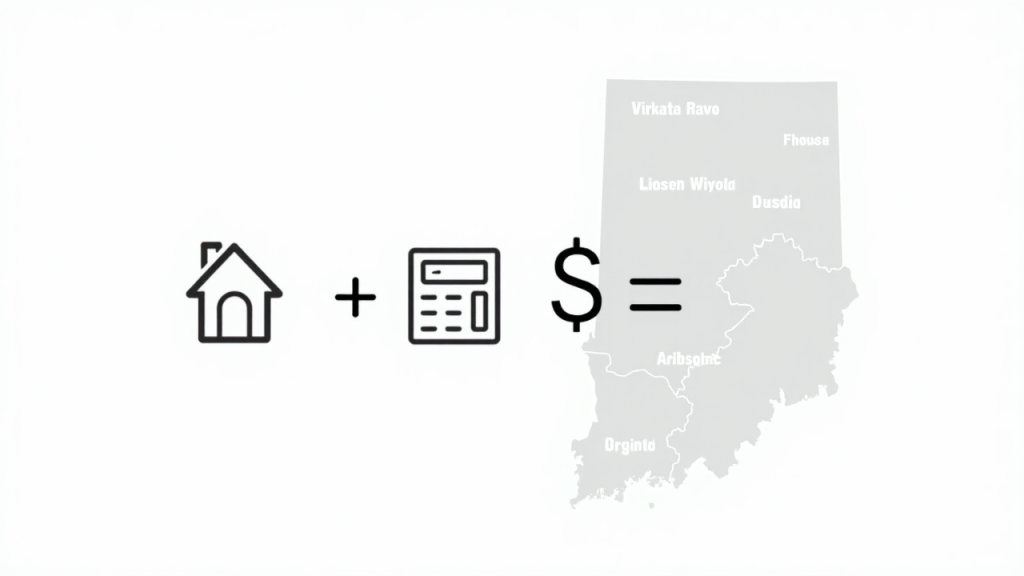
Your Franklin County property tax is determined by multiplying your assessed property value by the effective tax rate.
For example, if your home’s assessed value is $250,000 and the effective rate is 2.2%, your estimated tax would be $5,500. It’s a straightforward equation—but with big financial implications.
7.2 Millage Rates and Local Levies
Franklin County’s millage rates vary depending on where you live—Columbus, Westerville, Grove City, and other areas all have different local levies.
These levies fund critical services such as public schools, police, EMS, libraries, and infrastructure.
That’s why two properties of equal value may receive very different tax bills.
7.3 Exemptions (Homestead, etc.)
There are tax relief options available. Franklin County offers the Homestead Exemption to senior citizens, disabled residents, and surviving spouses.
This exemption reduces the taxable value of your home, easing the financial load for those living on fixed incomes.
Always check with the Franklin County Auditor’s Office to confirm your eligibility and apply.
8. Digital Tools for Property Research in Franklin County
8.1 Online Auditor Portal
Franklin County offers a user-friendly Online Auditor Portal where residents can search by name, address, or parcel number to view detailed property information.
You can easily access assessed values, tax payment history, property class, and legal description from one central platform.
8.2 GIS Maps and Interactive Tools
Franklin County’s Geographic Information System (GIS) tools provide an in-depth view of your property and surroundings.
These include zoning maps, flood zones, school districts, and even neighborhood overlays.
Whether you’re planning a renovation or researching for an appeal, these interactive tools can guide your decision-making.
8.3 Comparable Sales Search
Want to compare your home to recent sales nearby? The Franklin County Auditor’s website lets you explore comparable property sales in your area.
This is particularly helpful when you’re questioning your property’s assessed value or preparing for a formal appeal.
9. Tips for Homeowners Before and After Property Assessment
9.1 Keep Records of Maintenance and Upgrades
Save all receipts and before/after photos of any home improvements. Projects like roof replacements,
HVAC updates, or new decks can impact your property’s value.
These records may be crucial in clarifying or challenging your assessment.
9.2 Watch the Local Housing Market
Monitor home sales in your Franklin County neighborhood.
If similar properties are selling for significantly higher or lower than your assessment, you may want to request a review.
9.3 Be Ready to Appeal If Needed
If you believe your assessment is inaccurate, begin organizing your documents early.
Collect comparable sales, appraisals, renovation proof, and even neighbor assessments. A well-prepared homeowner often has a stronger case in appeals.
10. Expert Insights from Franklin County Officials
10.1 Quotes from the Auditor or Staff (sample-style)
“As property values change, our role is to maintain fairness and accuracy,” said a Franklin County Auditor’s representative.
“We rely on verified market data—not guesses or projections—to assess properties.”
10.2 Common Misunderstandings
A common myth in Franklin County is that reassessment always means higher taxes.
In reality, property assessments update your home’s market value, while tax bills are determined by levy rates and other factors.
Small cosmetic updates like painting or lawn work generally don’t affect your value.
10.3 Public Education Efforts
The Franklin County Auditor’s Office actively educates residents through workshops, online videos,
newsletters, and social media.
These resources help homeowners understand the property assessment process and their appeal rights—making residents better informed and more empowered.
11. Final Thoughts
Understanding the property assessment process in Franklin County goes beyond numbers—it’s about trust,
clarity, and community engagement.
Knowing how your property is evaluated, how to review the information, and when to file an appeal empowers you as a homeowner.
Whether you’re a new buyer or long-time resident, staying informed protects your investment and ensures you’re paying your fair share for the local services we all rely on.
12. FAQs About Property Assessment in Franklin County
Q1: How can I appeal my property assessment?
To appeal your property assessment in Franklin County,
you must file with the Board of Revision between January 1 and March 31 of the year after the assessment.
Prepare strong evidence—such as an appraisal, comparable property sales, or corrections to your record.
You can file online via the Franklin County Auditor’s website or submit in person. A hearing may be scheduled for review.
Q2: Will remodeling my kitchen raise my property value?
Yes. Major updates like kitchen or bathroom remodels can increase your assessed value during the property assessment process.
However, minor changes such as new paint or fixtures typically won’t affect it.
Q3: What happens if I miss the appeal deadline?
If you miss the March 31 deadline, you’ll have to wait until the next reassessment year to appeal. Be proactive:
mark your calendar and prepare your documents early.
Q4: Does the county inspect my home physically?
Not usually. Franklin County assessors rely mostly on public records, aerial photos, and data comparisons.
However, exterior inspections may occur occasionally—especially if significant changes are reported.
Q5: How does my assessment affect school taxes?
Your assessment plays a direct role in calculating your school taxes.
Since school levies make up a large share of local tax bills, any change in assessed value—up or down—can affect how much you pay.